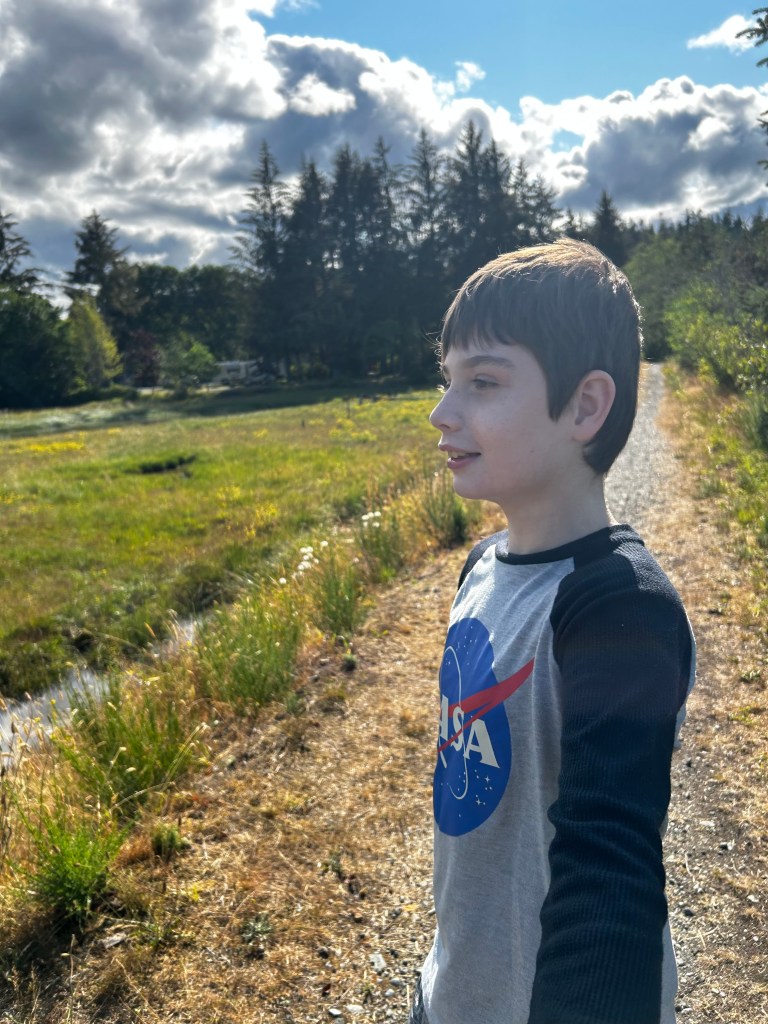
Every time we find a respite caregiver or there is a new support worker; I hold onto hope. Maybe this time, it will work out. Maybe this person will see Jayce for the amazing, unique child he is. But time and time again, they quit- sometimes after just one shift, sometimes before they even start. And every time, it breaks my heart. It’s impossible not to take it personally, not to wonder if they are scared of him, or if they just don’t want to deal with the realities of our life.
Two weeks ago, we met a caregiver who seemed like a good fit. She met Jayce, smiled at him, and even said she had experience with adults like him. I started to let my guard down, thinking maybe, just maybe, this time it would last. I spent hours walking her through his routines, showing her how to communicate with him, how to keep him safe. But after her first shift she sent a text saying she wouldn’t be coming back. No explanation, no warning. Just gone.
This wasn’t the first time. It won’t be the last.
Every time this happens; it chips away at me. It’s exhausting to keep training people who leave before they even get to know him. And it’s heartbreaking to see how little patience and willingness people have to truly understand kids like Jayce. He deserves people who see his worth, but instead, we’re left scrambling again.
This isn’t just about one worker or one agency- it’s about a system that is failing families like mine. The people being hired through respite agencies and government programs often come into this job completely unprepared. And underpaid. They aren’t given the proper training to work with children with complex needs, and because of that, they leave. The result? Families like mine are left in a constant state of instability, desperately trying to find care for our children while also handling the emotional toll of repeated rejection.
Why Do We Deserve Help?
Some people might think, “that’s your child- why should the government or the community help you?” And I understand why some people would have that question. When you don’t know something, you ask questions. But the truth is, families like mine aren’t asking for luxury. We’re asking for basic support to meet needs that most families never have to think about.
Raising a child with complex disabilities isn’t the same as raising a typical child. Jayce is deaf, autistic, severely intellectually delayed, and requires 24/7 supervision. He isn’t toilet trained. he cannot communicate his needs in a typical way. His care isn’t something I can just “figure out” on my own- it takes specialized support, consistency and trained professionals to give him the quality of life he deserves.
It isn’t just me who feels this way, the professionals agree. Every time I see a doctor, or a specialist, I hear the same thing: “Jayce is very complex. Interventions and supports are key to him having any chance of a quality, thriving life.” But how can we provide that when there are so few services in place? If the experts say these supports are necessary, why is the system failing to provide them?
Government programs exist for infants and adults with disabilities, but for kids like Jayce- between the ages of 6 and 19, there is a massive gap in services. As if children in this age group just don’t exist in the systems eyes. There are so few trained respite workers and program staff, Jayce cannot attend community camps and activities. He’s left out, not because he doesn’t want to be there, but because there’s no infrastructure to support him.
Meanwhile, families are left waiting- sometimes for months or years- just to get basic help. And when we do get someone, they leave. It’s not just frustrating; it’s a complete failure of the system. Jayce and kids like him deserve stability, caregivers who stay, and a community that values them. But right now, it feels like we’re on our own. Isolated.
So, What’s the Solution?
This isn’t an impossible problem to fix. There are real steps that could make a difference:
1. Government-funded programs meant to support children with complex needs need to offer their staff higher wages, and better training programs. Then you would attract and retain qualified support workers. Right now, many workers leave because they’re underpaid and underprepared. More training should be offered to help caregivers feel confident working with children like Jayce. Many quit simply because they don’t feel equipped to handle the job. The result? Families like mine are left in a constant state of instability, desperately trying to find care for our children while also handling the emotional toll of repeated rejection.
What Proper Training Should Look Like
Hands -on shadowing: New support workers should have the opportunity to shadow experienced caregivers who understand how to communicate with and care for children with complex needs. Right now, that training falls on my shoulders with each new person that is introduced to us.
Behavioral Training: Support workers should receive education on autism, intellectual disabilities, and communication challenges- learning not just about diagnosis but about real, practical strategies for working with kids like Jayce. Again, this falls on my shoulders.
Crisis Management Skills: Many caregivers leave because they don’t know how to handle difficult moments. Training should include de-escalation techniques, safety protocols, real-life scenarios. I have all the documents a caregiver would need to learn about Jayce. It feels like these documents are not being read.
The government and respite agencies need to do better. They need to invest in real meaningful training programs that prepare caregivers for the reality of working with complex kids. They need to be paid a proper income for the service they are providing. Families like mine don’t just want a name on a list of available workers- we need workers who meet our needs, who will stay, who will understand, and who will make a positive difference in our children’s lives
2. Expand Services for Kids Aged 6-19. The gap in services for this age group is unacceptable. There need to be more structured programs, after-school supports, and respite options designed specifically for kids with complex needs.
3. Make Community Programs Truly Inclusive. Camps, daycare centers, and activity programs need funding to hire support staff so that kids with disabilities are not automatically excluded. True inclusion isn’t just saying “all kids are welcome” -it’s about providing the resources to make it possible.
4. Listen to Families. Policy decisions should be made with direct input from the families who rely on these services. We know what works and what doesn’t-so why aren’t we being heard?
I don’t have all the answers. But what I do know is that our kids deserve better. Families like mine should not be left to struggle alone. It’s time for change. Because Jayce- and every child like him- deserves a world that actually includes them.
 Jayces Journey